




What to Expect From the New Diesel Motor Oil
The new 2007 ultra-low sulfur diesel fuel handles high temperatures while minimizing harmful emissions.


A diesel fuel pump over oil in the background.
Photo: Work Truck/Canva
Since the 2007 diesel emissions regulations have arrived, engines work harder to control soot and particulate matter. This requires ultra-low sulfur diesel fuel (ULSD) for the new emissions control devices to function effectively. A reformulated diesel motor oil is also part of the solution. The new lubricant handles the higher temperatures in the new engines and minimizes diesel particulate filter (DPF) blockage.
Shell Lubricants recently completed the multi-city Shell Tech tour to update fleet customers on what to expect from the new motor oil, designated API CJ-4. Dan Arcy, Shell’s technical expert filled us in.
WT: When was the change?
DA: The official API (American Petroleum Institute) license date to change from the current standard, CI-4 PLUS, was Oct. 15, 2006. However, Shell has marketed CJ-4 oils in bulk and drums for customers with an early need.
WT: Is the new oil suitable for pre-2007 on-highway diesel engines?
DA:Yes, CJ-4 oil is compatible with pre-2007 engines. CJ-4 oils offer significant improvements in wear control, deposit control, and resistance to breakdown at high temperatures over the previous CI-4 PLUS oils.
WT: Can I top off CJ-4 with CI-4 PLUS?
DA: If you are using CJ-4 oil in pre-2007 engines, if necessary, you can top off with a CI-4 PLUS oil, though it is not recommended. However, in 2007-MY engines, CJ-4 oils must be used. Do not top off with a CI-4 PLUS oil.
WT: What happens if I put CI-4 PLUS oil in a 2007 diesel engine?
DA: If a CI-4 PLUS oil is used in a 2007 engine, the service interval for the DPF could be compromised as the higher ash-containing CI-4 PLUS oil results in more rapid blocking of the DPF. In addition, the older oil may not be able to withstand the more severe environment within the 2007 engines (higher temperatures, more exhaust gas recirculation), which may result in premature thickening of the oil, sludge formation, and resultant wear and corrosion
WT: Can I buy CI-4 PLUS after the new diesel regulations took effect?
DA: Shell will produce CI-4 PLUS products until 2010 (when the next round of diesel regulations take effect) if there is sufficient demand from our customers.
WT: Does CJ-4 affect drain intervals?
DA: Based on hundreds of thousands of miles of on-highway testing of our next-generation oil, we do not anticipate that drain intervals will change for on-highway applications of current generation engines
WT: How many flushes are needed when changing from CI-4 PLUS to CJ-4?
DA: It is not necessary to flush your engine when changing from the old oil to new.
WT: Will I see any difference in oil consumption in my equipment?
DA: We don’t anticipate any change in oil consumption with the new CJ-4 oil.
WT: Can CJ-4 oils be used in off-highway equipment?
DA: Yes. Shell’s CJ-4 heavy-duty motor oils have been designed for use in off-highway equipment of all ages. Some had said that the higher fuel sulfur levels encountered in off-highway applications may require the continued use of CI-4 PLUS oils. This is not true — in 2007, the fuel sulfur levels for off-highway applications have been reduced to 500 ppm, the same as today’s on-highway standard. Shell has demonstrated the suitability of our CJ-4 oils in millions of miles of testing using conventional 500 ppm and under sulfur fuel.
WT: What does the new oil cost?
DA: API CJ-4 oils are estimated to be 10% to 15% higher versus 2006 prices, though Shell distributors and retailers are free to manage pricing for market conditions.
More Fuel
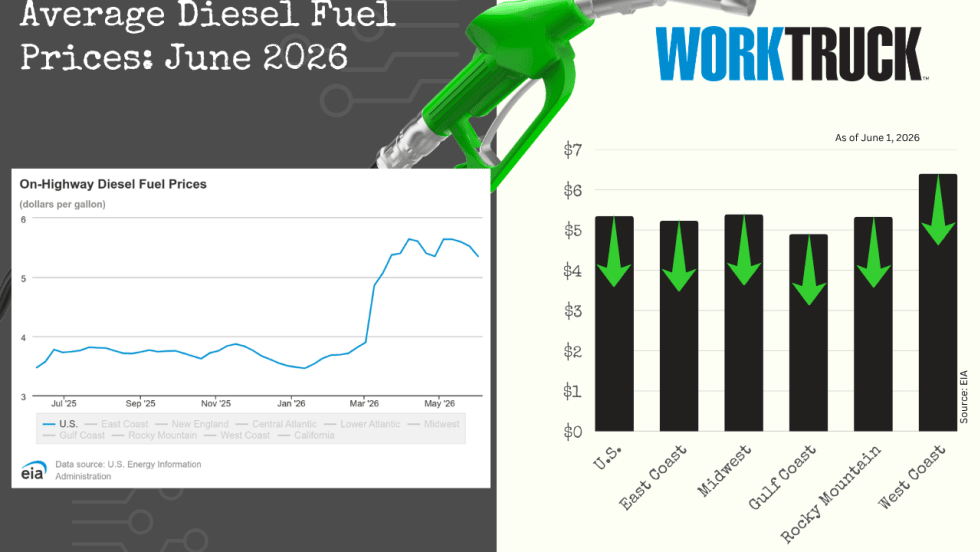
June Diesel Trends Update
The national average price of a gallon of diesel decreased by more than 17 cents this week, and all five regions reported lower prices, ranging from just over 10 cents to more than 23 cents cheaper than a week ago.
Read More →
3 Benefits of Hydrogen as a Fuel
Hydrogen fuel offers zero harmful emissions, incredible energy density, and flexible production pathways. In this video, we learn from a hydrogen industry insider about the three biggest benefits of hydrogen as a fuel to power commercial vehicles.
Read More →
Are You Tracking Your Fleet's True Total Cost of Ownership?
Bobit Business Media surveyed 190 fleet professionals and found that while most fleets are tracking costs, fragmented systems and data gaps are keeping true TCO visibility out of reach. With rising pressure to control spend in an increasingly volatile environment, the gap between what fleets think they know and what the data actually shows is wider than you might expect. See how your peers are managing costs today and where the industry still has room to improve.
Read More →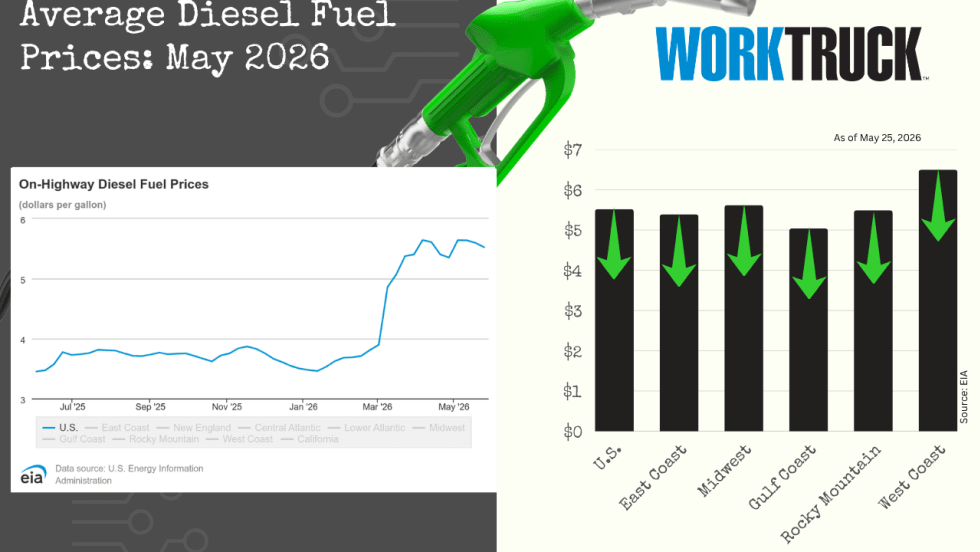
May Diesel Trends Update
The national average price of a gallon of diesel decreased by more than 7 cents this week, and all five regions reported lower prices, ranging from just over 2 cents to more than 12 cents cheaper than a week ago.
Read More →
How Hydrogen Fuel Is Produced for Fuel Cell Trucks
How is hydrogen produced for fuel cell trucks? Let’s learn more about that as Pajarito Powder CEO Christian Mohrdieck walks us through the process in this video.
Read More →
RoadFlex Launches Mobile App for Drivers and Fleet Managers
RoadFlex has launched its mobile app to give fleet teams a faster, easier way to manage fleet card activity, capture receipts, review transactions, and maintain spend visibility from the field.
Read More →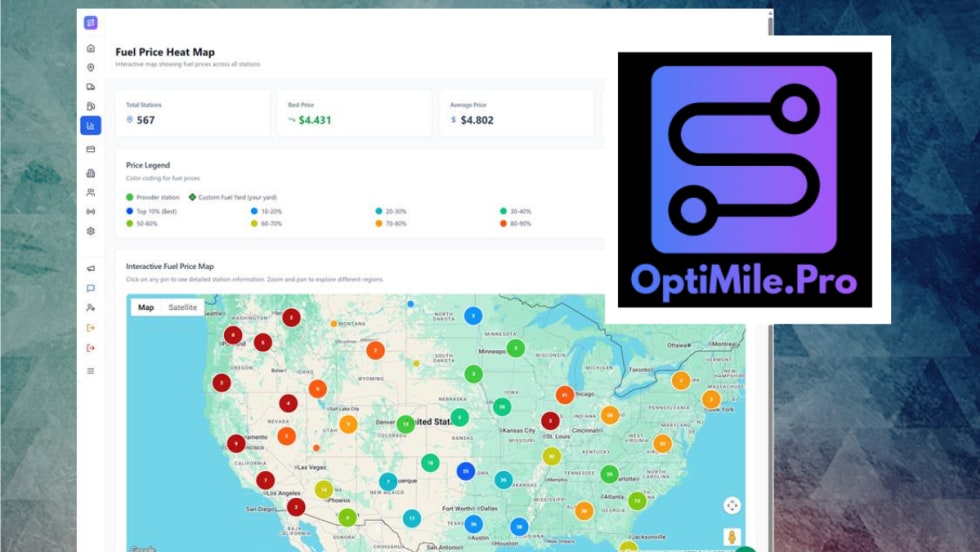
OptiMile Pro Launches Fuel Planning Platform to Cut Fleet Fuel Spend
OmtiMile Pro’s new software replaces the "fill up when empty" habit with a globally optimized fuel plan that picks the cheapest stop in the fleet's contracted network and the precise amount of fuel to load on every run.
Read More →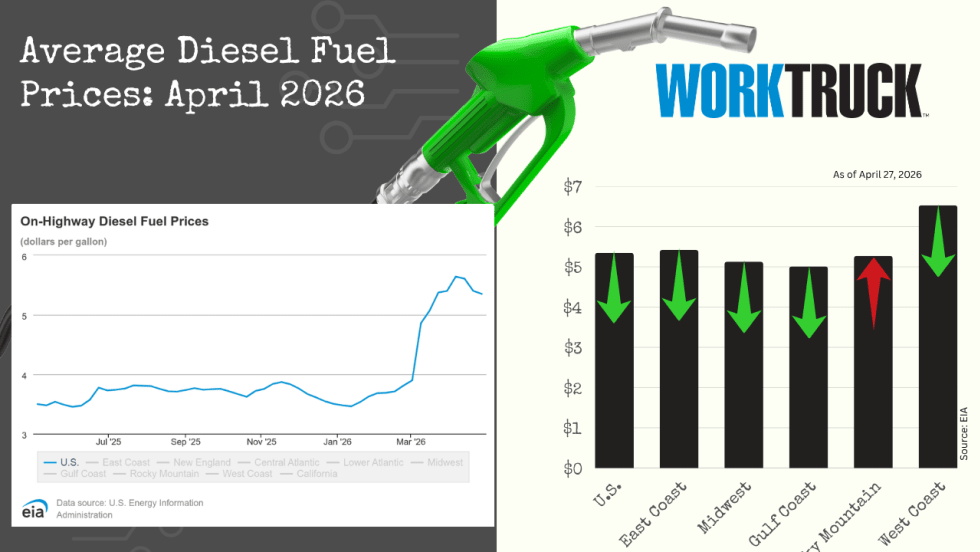
April Diesel Trends Update
The national average price of a gallon of diesel dropped by more than 5 cents this week, and all but one region reported price decreases.
Read More →
ChargePoint & South Coast Air Quality Management District Surpass 90 EV Charger Installations Across Southern California
ChargePoint has enabled more than 90 charging ports for the South Coast Air Quality Management District in Southern California. The project replaced outdated chargers with 55 new, Level 2 ChargePoint units capable of serving 94 vehicles simultaneously.
Read More →
Pajarito Powder Appoints Hydrogen Industry Veteran as New CEO
Pajarito Powder has appointed Christian Mohrdieck, who has a wealth of experience and knowledge in both the fuel cell and electrolyzer businesses, as its new CEO.
Read More →